Predictive human biology at scale
VALID teaches AI how human disease works, turning biological data into cures.
Valid in, Valid out.
Every model is a proxy. Our models begin with the right biology.
Drugs fail because models don’t reflect human biology.
Today, efficacy often isn’t tested until months or years into development, with programs instead relying on simple, scalable models to identify targets and hits.
Others chase compute. We fix the bottleneck of biological truth.
Our human stem cell-derived systems recreate disease biology with unprecedented fidelity. Scaled production of human-relevant models and automated, high-throughput perturbation screening generate the data AI needs to predict what will work in humans.
We build the most predictive experimental and AI models at scale.
The hypotheses that emerge are the ones most likely to matter in humans.
VALID is where biological truth becomes predictive intelligence.
The human origin
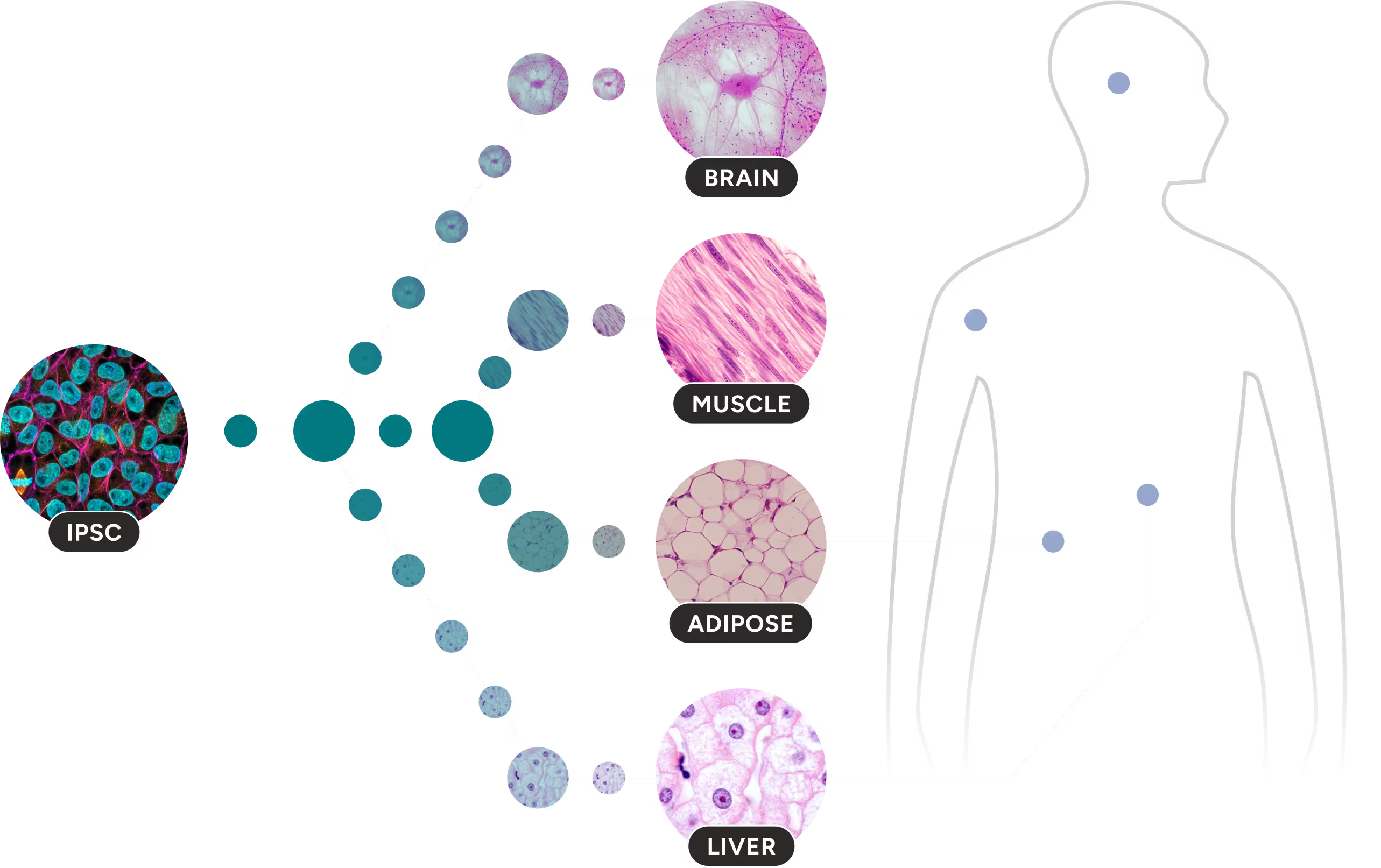
Each model is anchored in biological truth to capture regional specificity of disease and reproduction of complex human microenvironments.
VALID starts where disease begins, inside real human systems. Our human iPSC-derived co-culture disease models replicate feedback loops and cellular architecture of organs and tissues, from the midbrain to muscle.
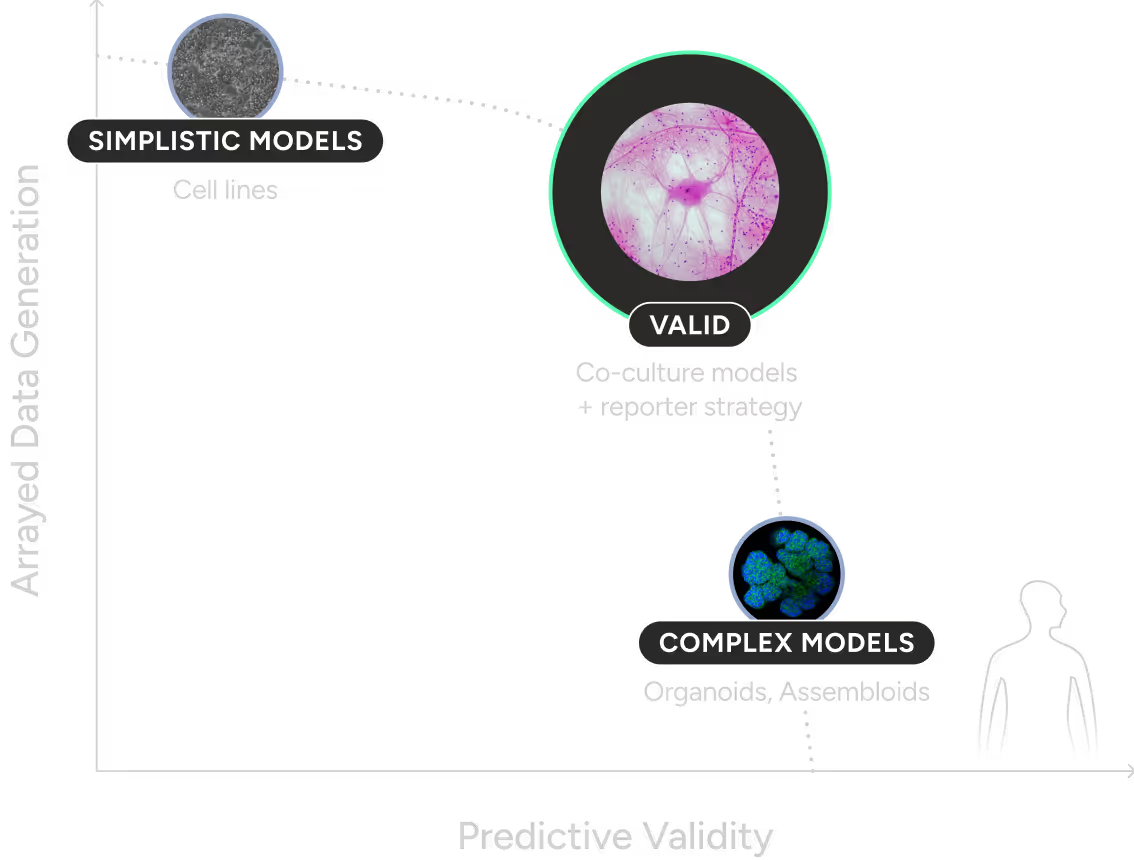
The predictive sweet spot
VALID operates in the narrow region where human
TechBio V2.0
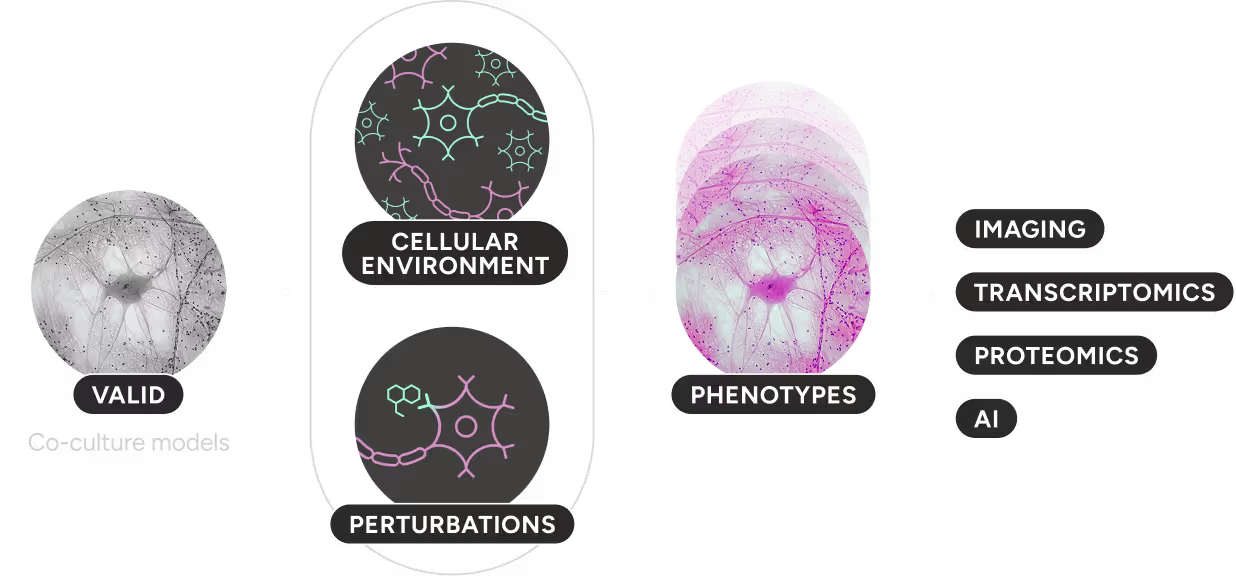
VALID has created the experimental engine for predictive human disease modeling. We are able to test existing hypotheses experimentally and generate new, human-relevant hypotheses that traditional models cannot surface.
Our platform integrates human co-culture models, automated perturbation, and multimodal measurement to convert phenotypic biology into AI-ready data. Imaging, RNA-seq, and proteomics are captured from the start, at scale.
The old funnel tests efficacy last.
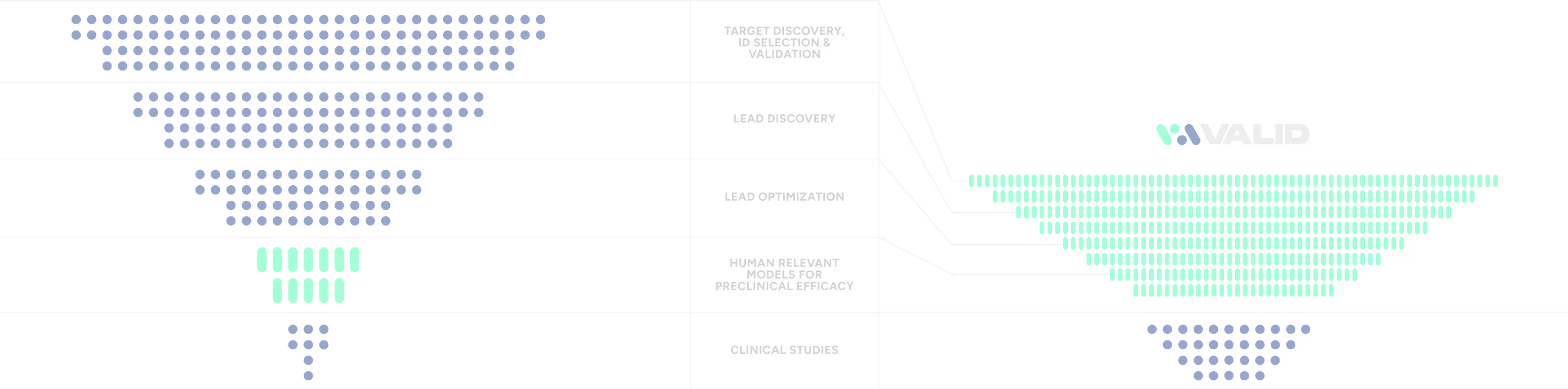
We Test it first.

creating the
Lab-in-the-Loop engine.
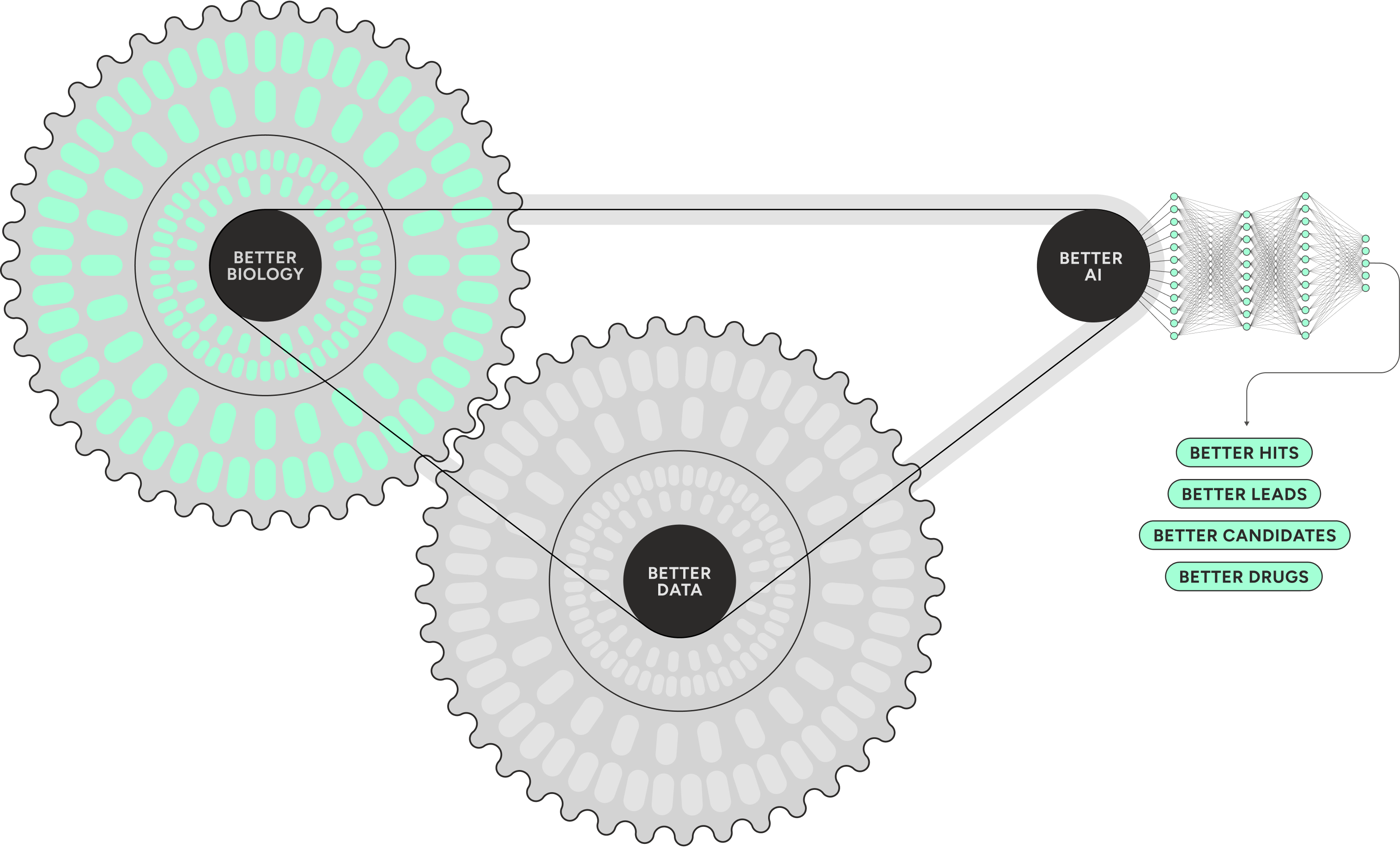

Programs in motion
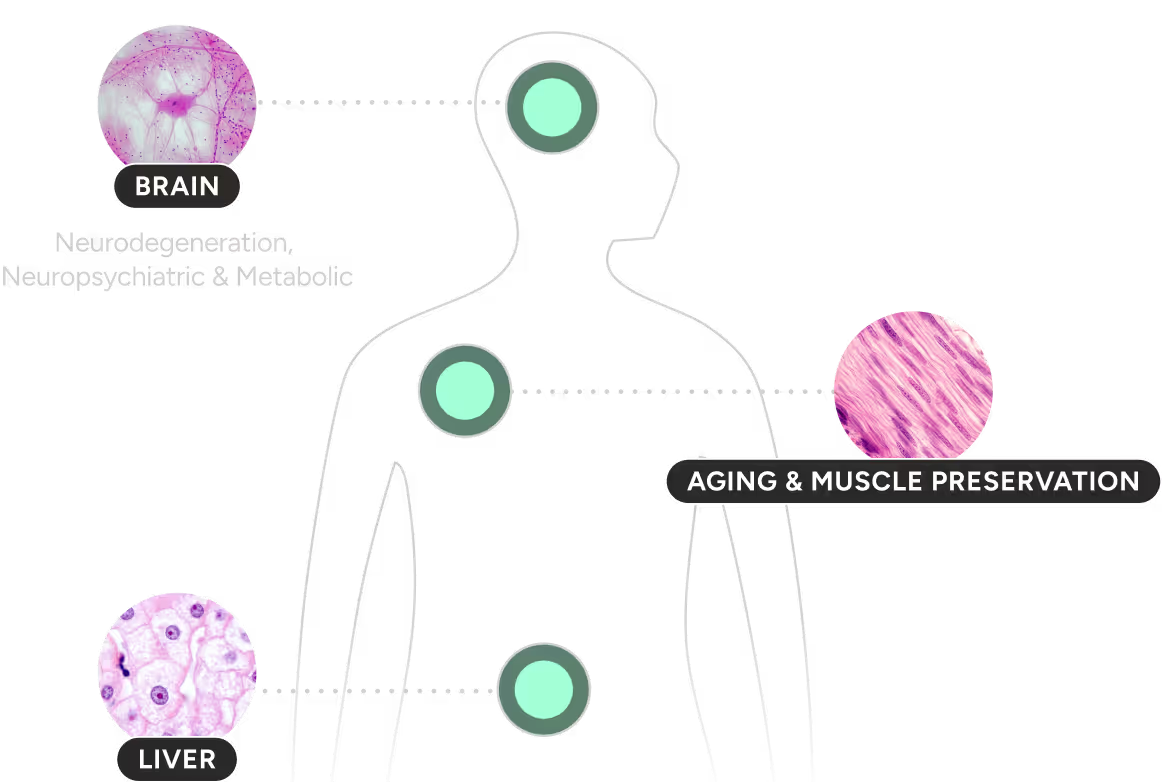
VALID’s discovery engine is expanding across multiple human systems from neuronal co-cultures for neurodegeneration to peripheral models for metabolic disease. Each dataset compounds knowledge and strengthens the next, fueling a continuous cycle of predictive discovery.
Where most systems break, VALID executes.
Human iPSC systems are fragile, complex, and hard to scale. Many have tried. Most have failed. VALID has built the infrastructure to industrialize experimental biology—creating a reproducible, data-generating engine for modern drug discovery.
Leadership
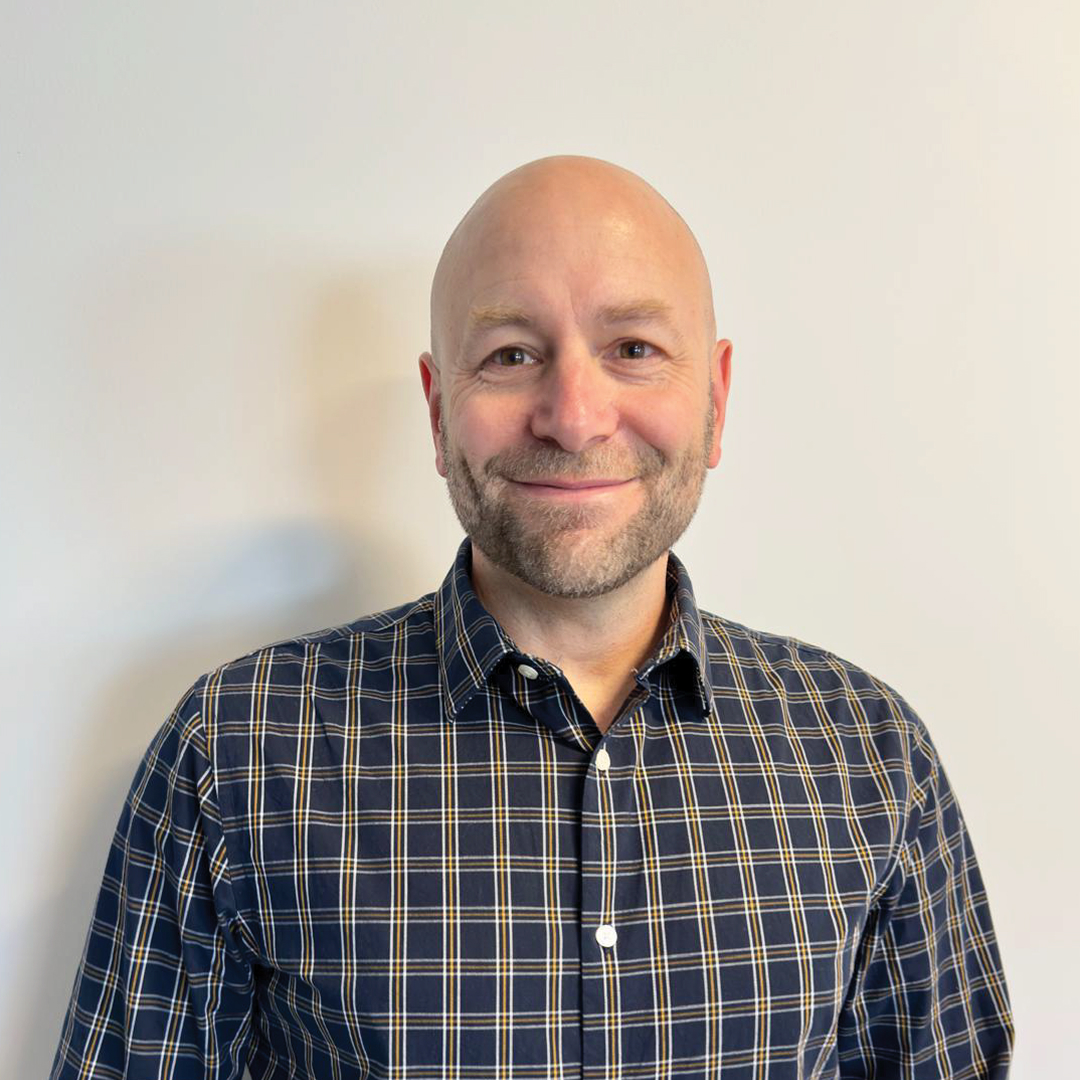
Tim Ahfeldt, PhD
Co-Founder & CEO
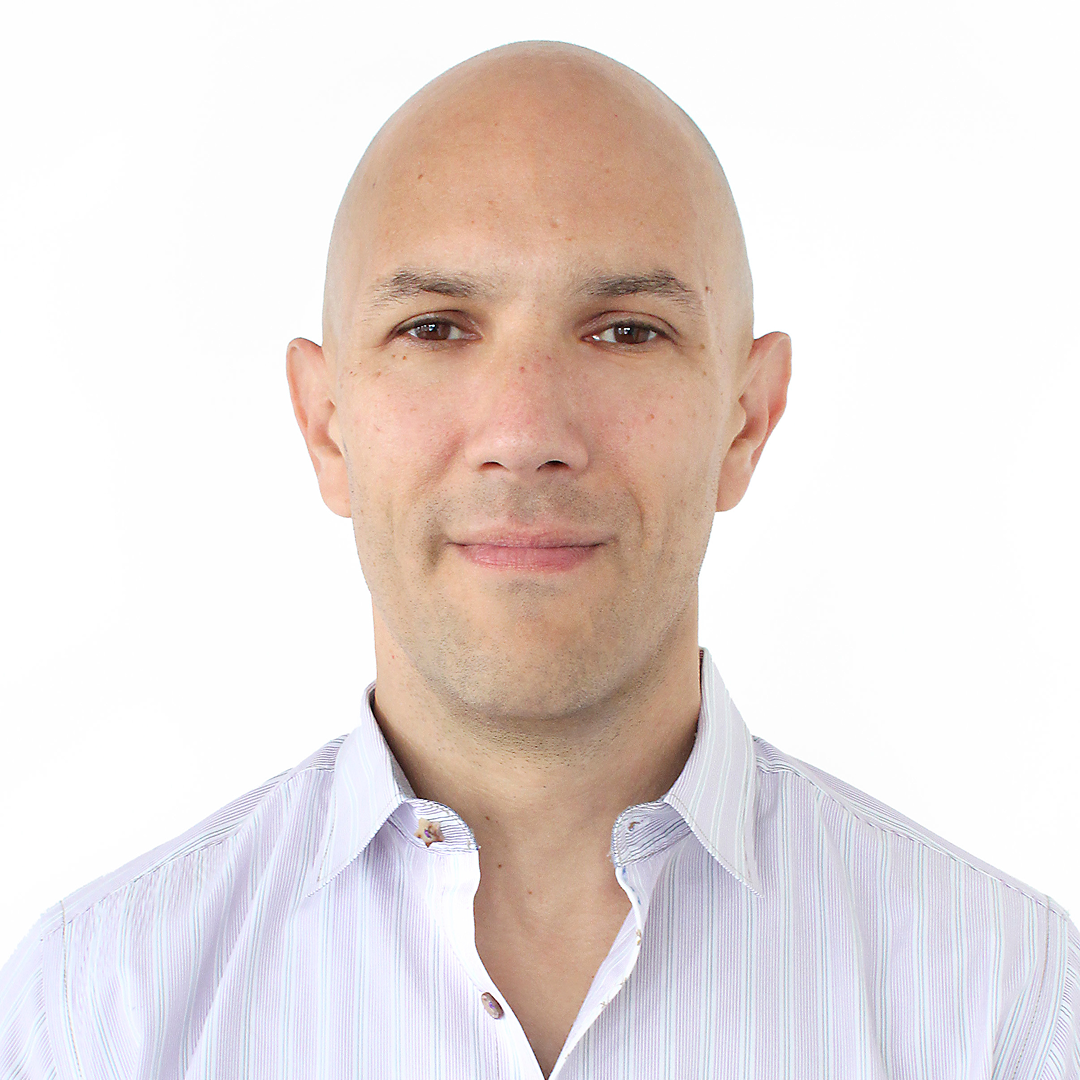
Josh Lamstein
Co-Founder & CFO/COO
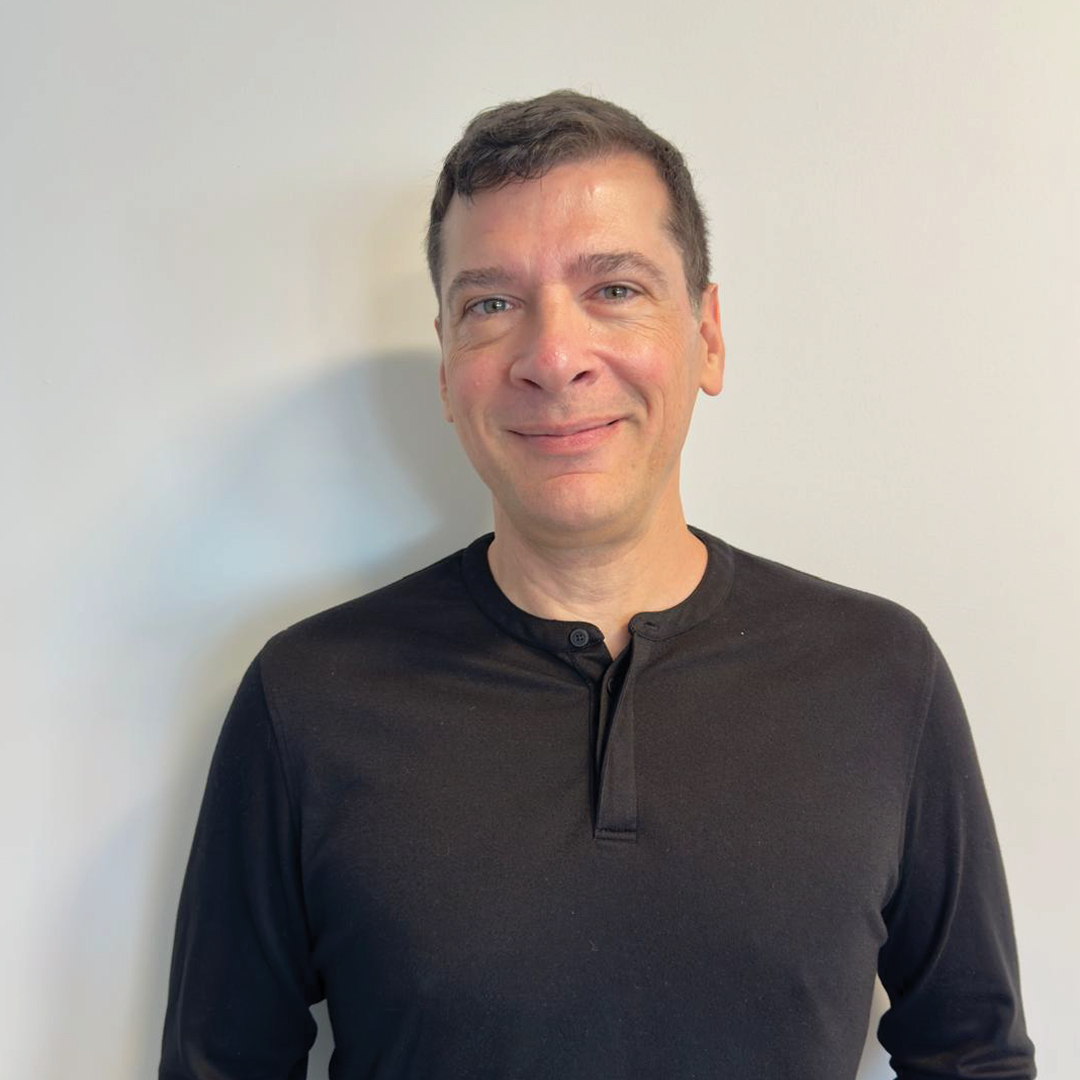
Rob Moccia, MD, PhD
Head of AI and Data
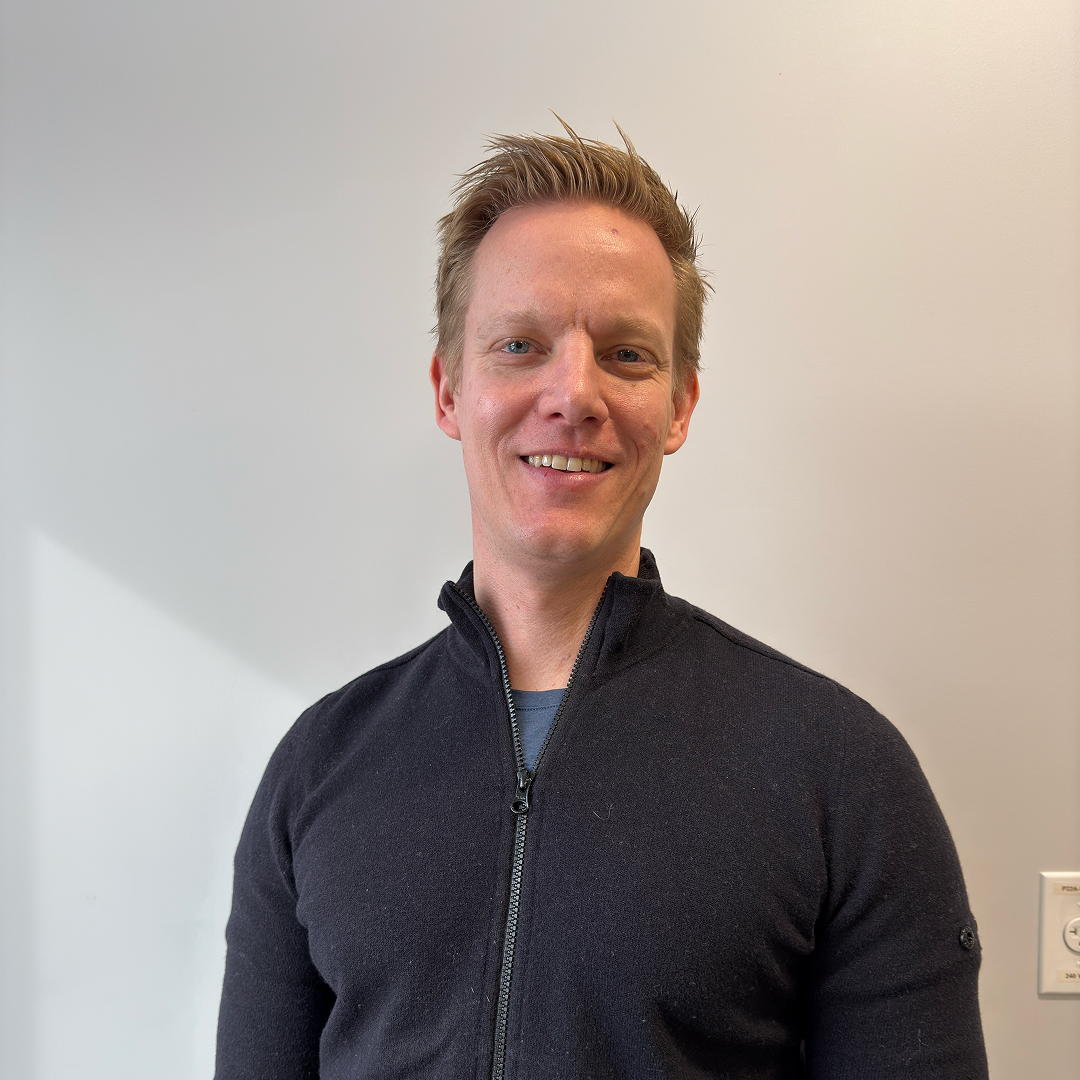
Ole Wiskow, PhD
Head of Automation
Advisors
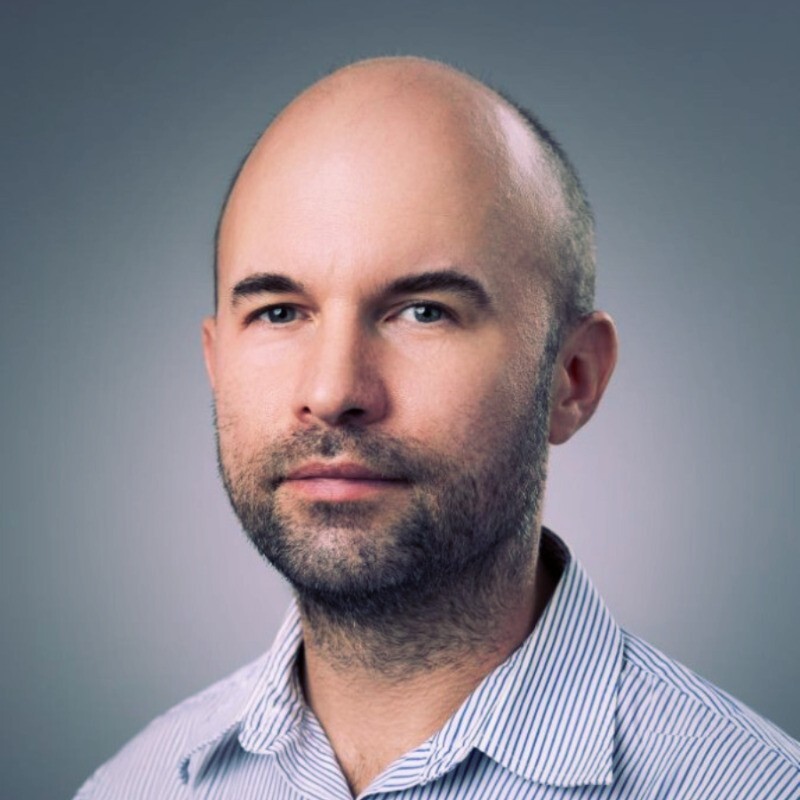
Andreas Bender, PhD

Bryan Kurtz
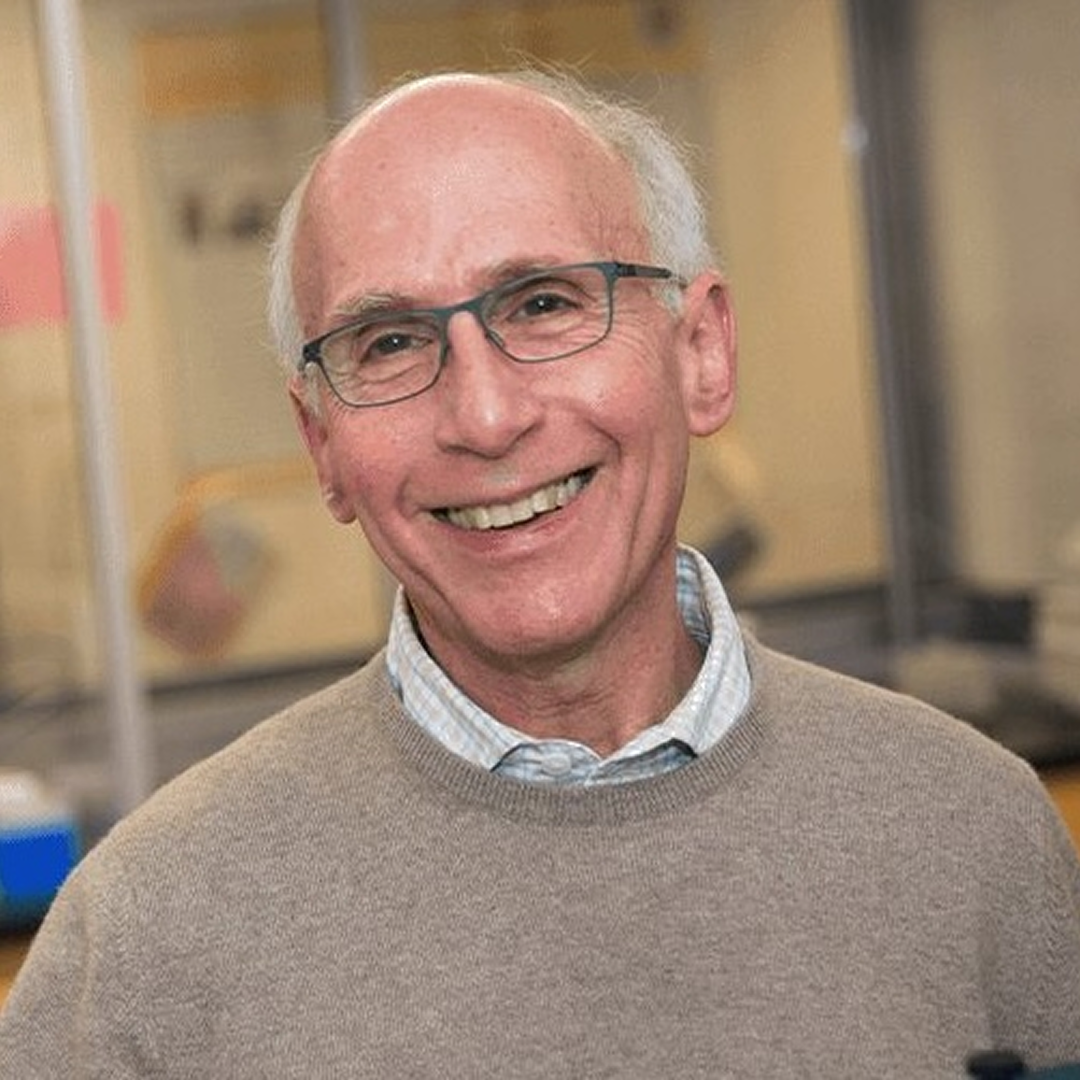
Lee Rubin, PhD
Co-Founder

Rafi Hofstein, PhD
Co-Founder
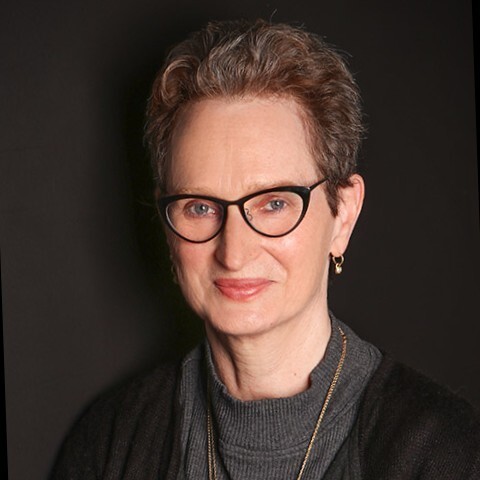
Yael Weiss, MD, PhD
Team
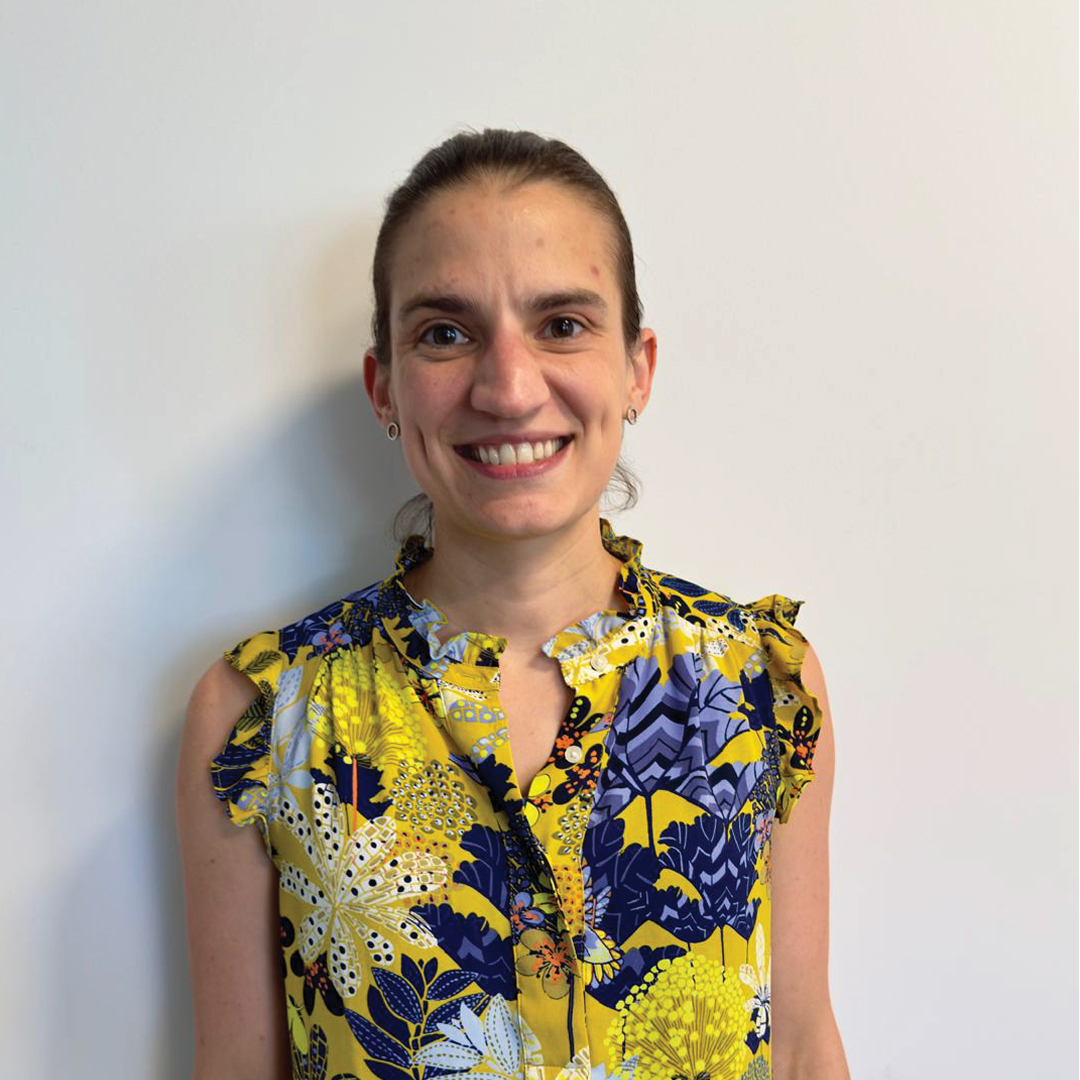
Abby Hill, PhD
Associate Director of Computational Biology and AI
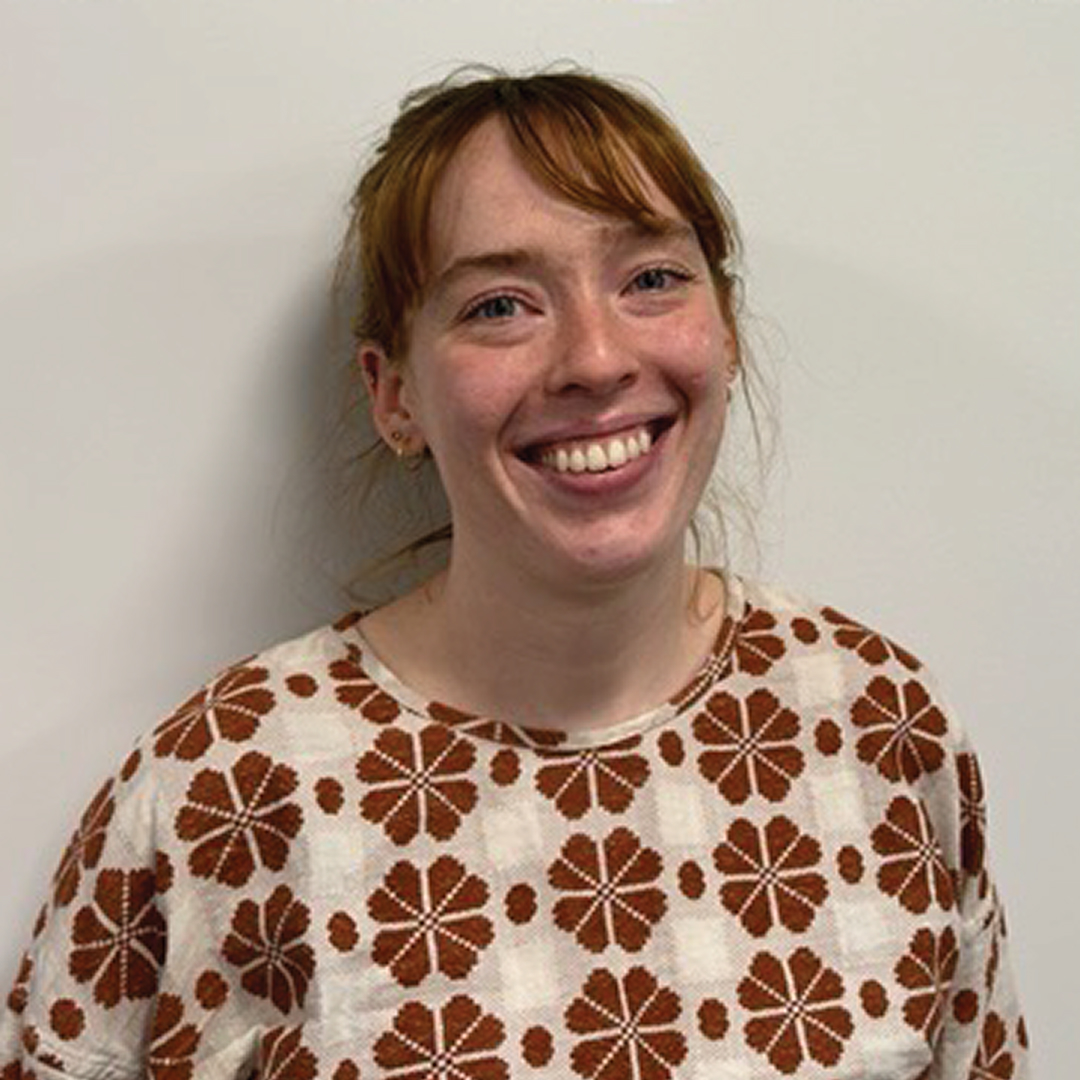
Gwyneth Welch, PhD
Senior Scientist
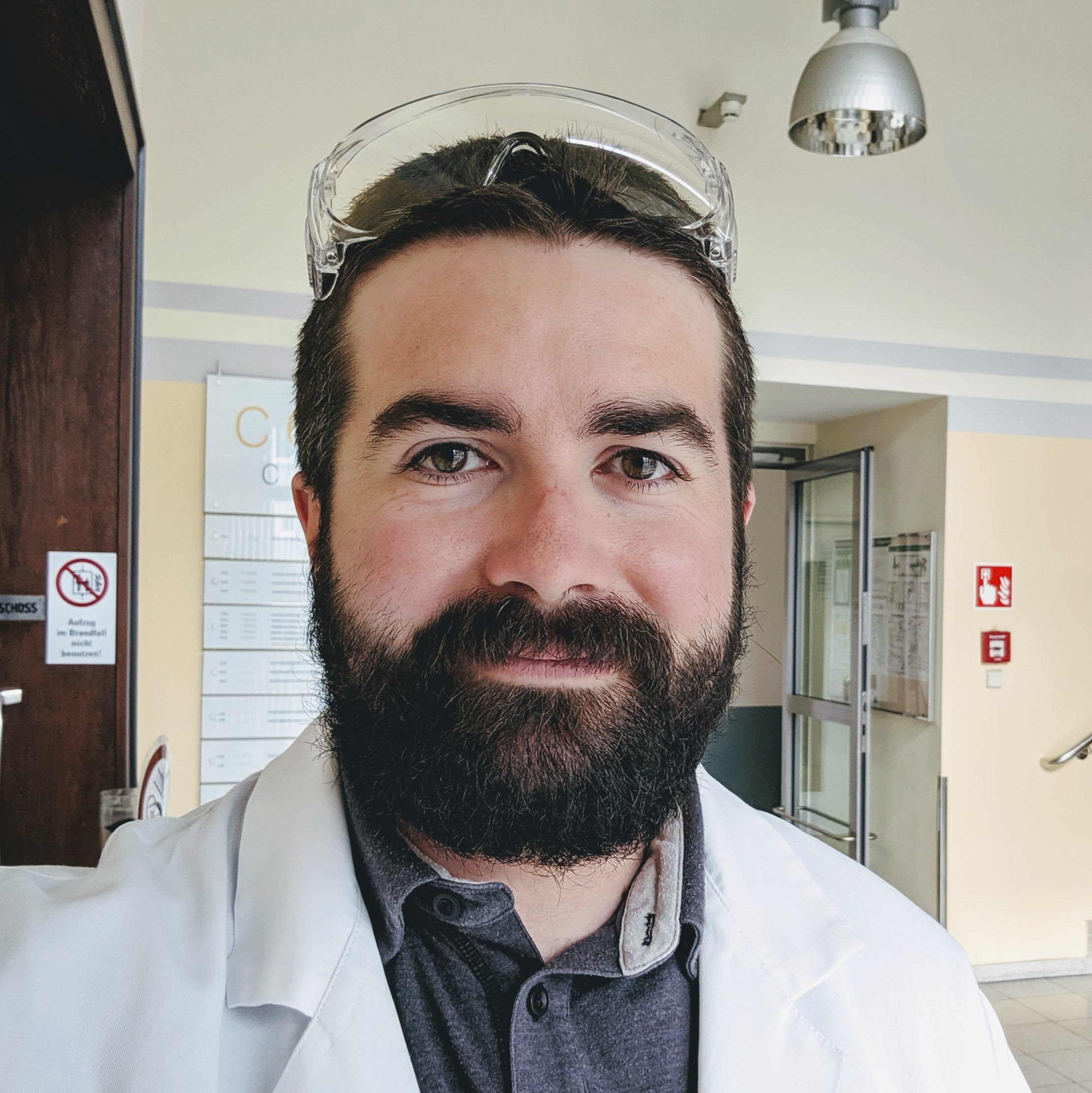
Ian Cooper
Senior Platform Engineer
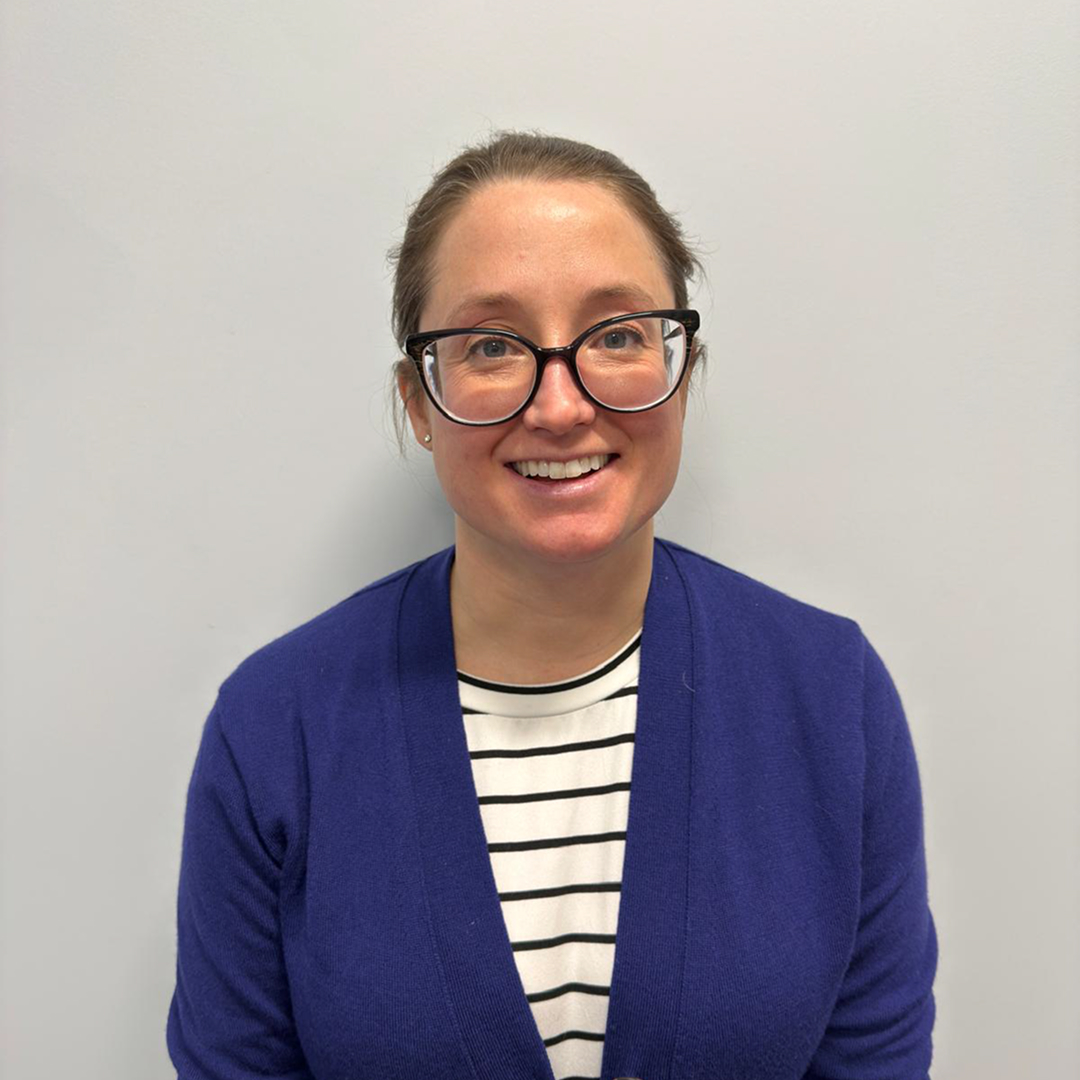
Jessie St. Martin
Principal Scientist
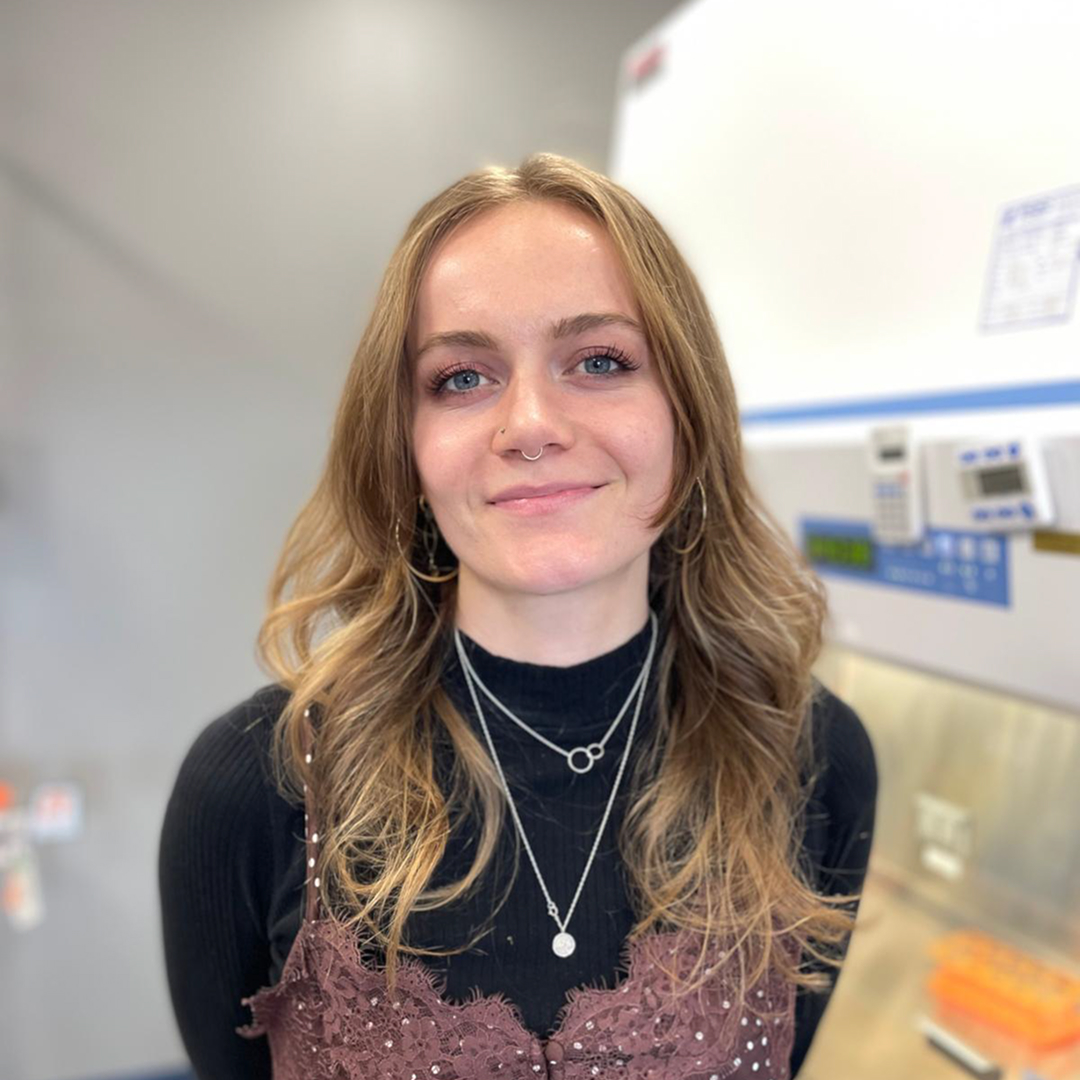
Lili Wurfl
Lab Manager/Senior Research Associate
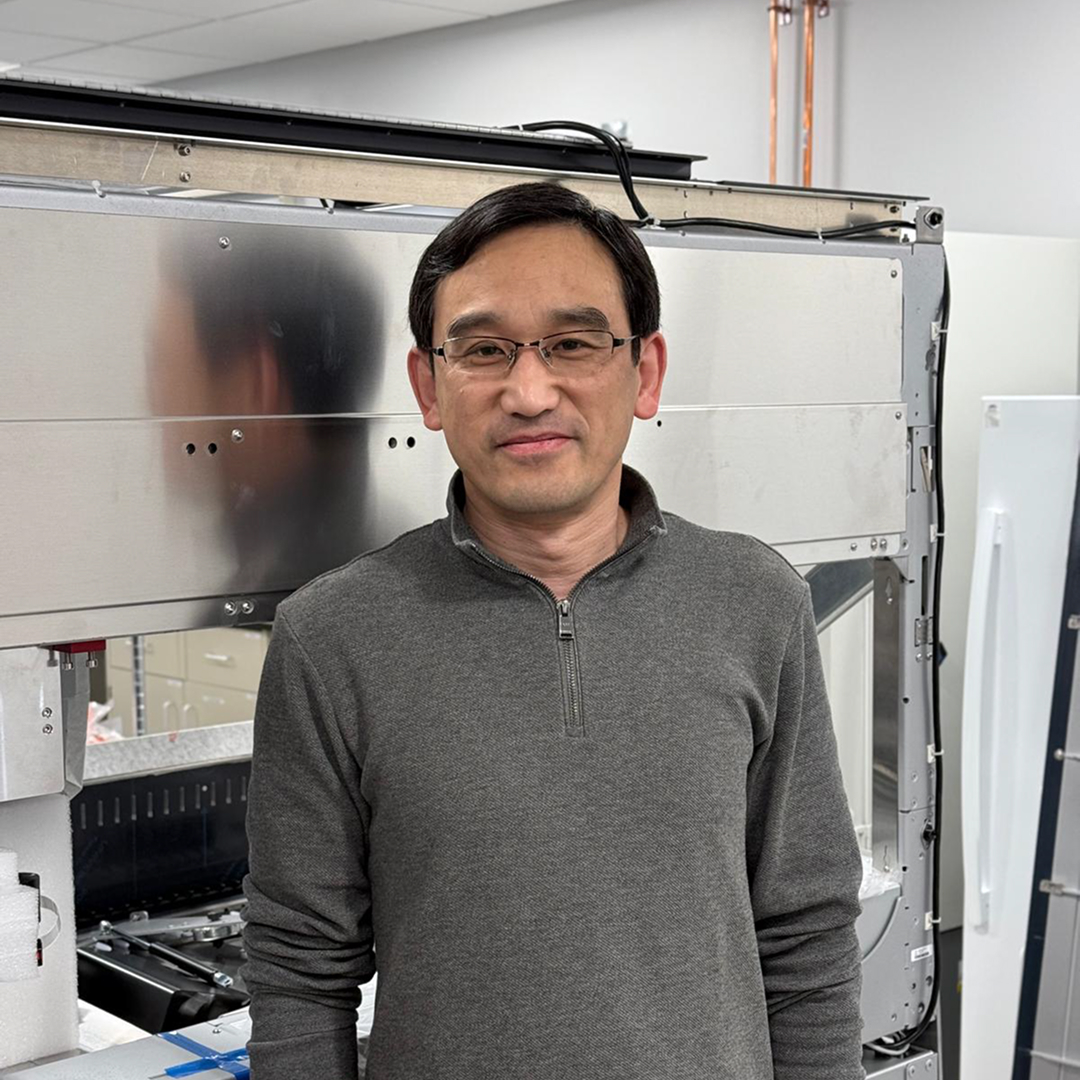
Peng Gao, PhD
Senior Scientist
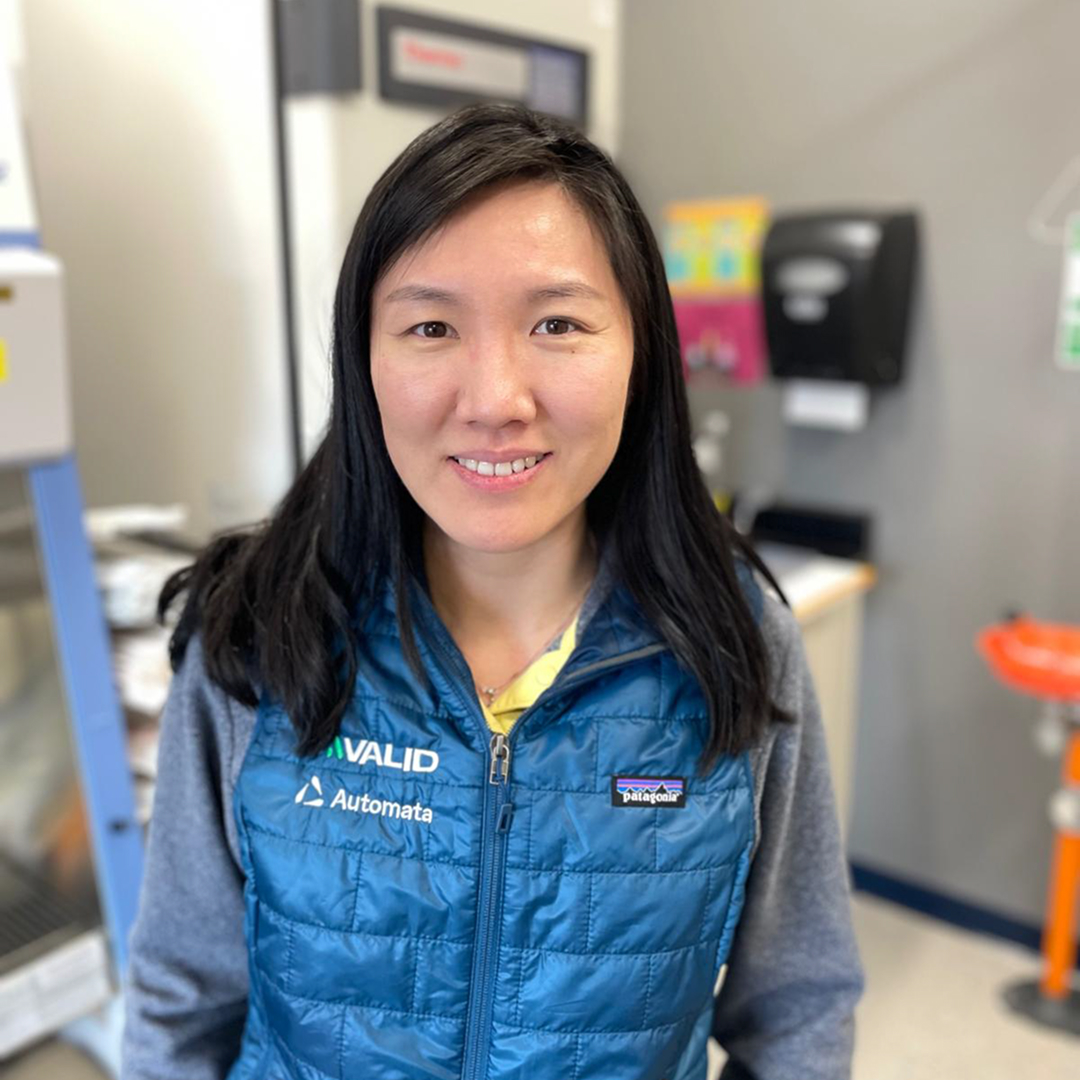
Stephanie Han, PhD
Principal Scientist
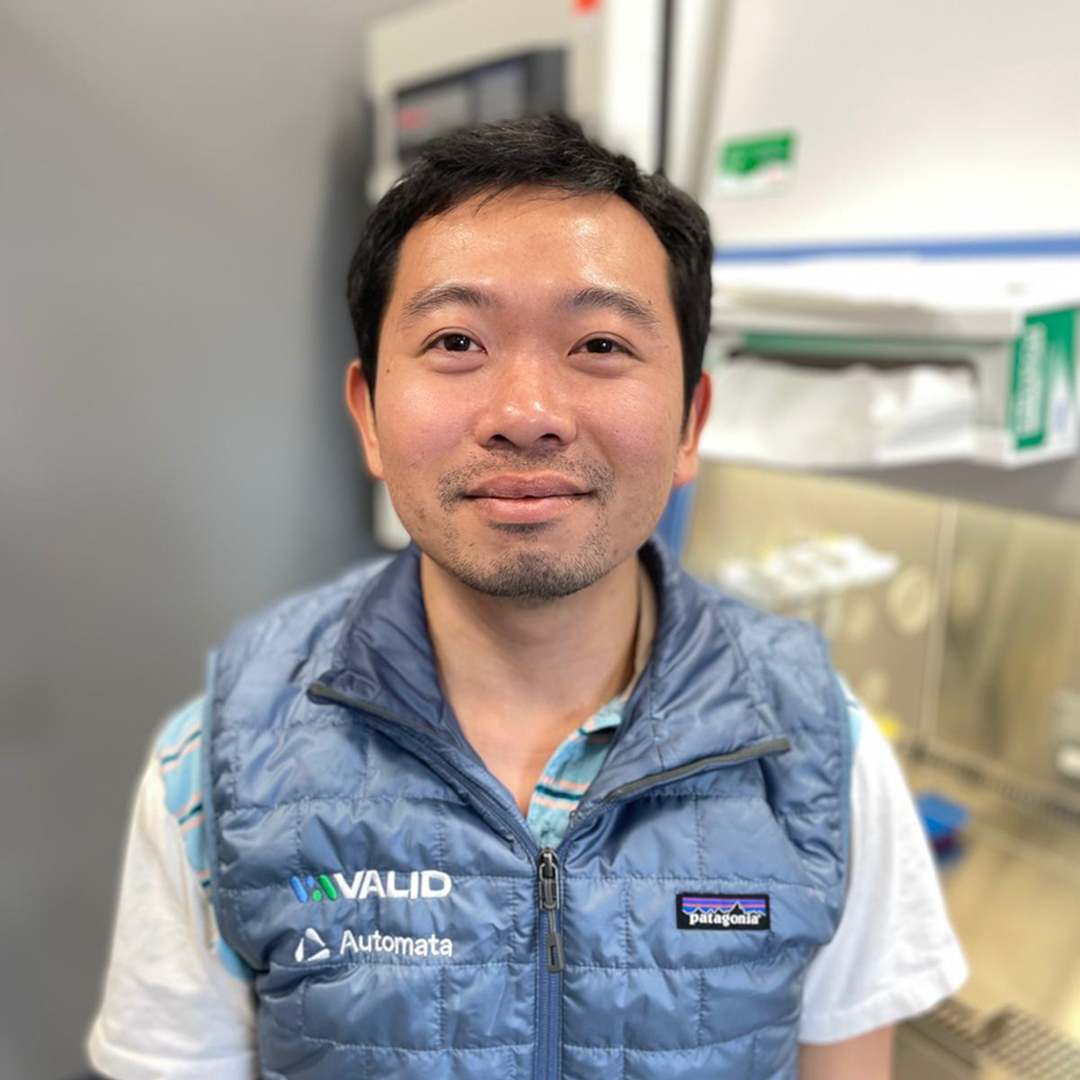
Thien Vu, PhD
Principal Scientist